Dr. Perlmutter: Could a Second Wave of COVID-19 Strike, Even After the US Reopens?
Read Transcript
(dramatic music)
- What if after the country reopens,
there's a second wave of the virus?
That's why researchers are hard at work
developing new therapies to treat victims.
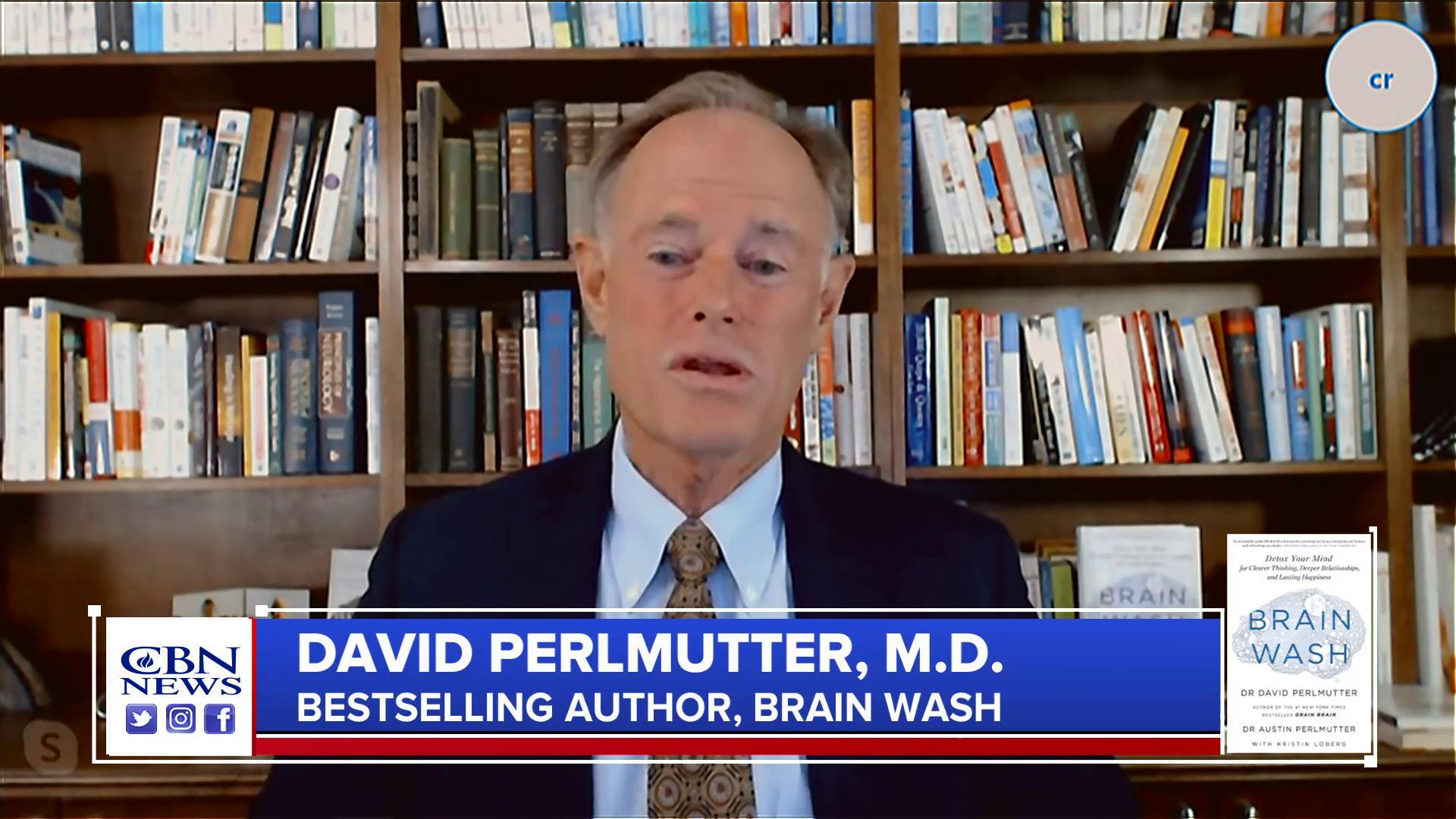
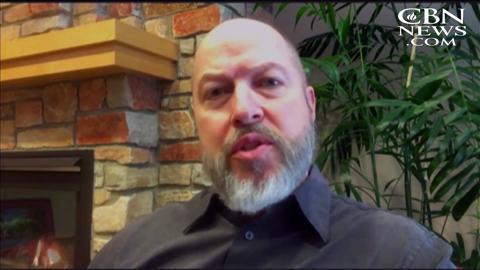
Neurologist and best-sellingauthor Dr. David Perlmutter
is here to talk aboutsome of those treatments.
And Doctor, we also, we'redelighted to welcome you back.
Could you tell us about theseanti-parasitic medicines
that maybe have great effectiveness?
- Sure, and there's alot of research happening
right now on a drugthat's called ivermectin.
And ivermectin, as youmentioned, is an anti-parasitic.
It's used in third world nations,
for example, to help peopleget over worm infestations
and even used here in theUnited States for head lice.
It's used on horses and cattle.
So it's widely available.
And some very forward-looking researchers
in Melbourne, Australia have found
that this ivermectin, avery widely available drug,
reduced the amount of COVIDvirus in a cell culture,
I want to be very clear about that,
we'll get back to that in just a moment,
by 5,000-fold in just 48 hours.
Now we know thativermectin, anti-parasitic,
has powerful antiviral activity.
It's been used effectively in dengue
and also in the West Nile virus as well.
But I want to make one thing very clear,
and that is that the currentstudy that was just published
did show incredible effectivenessagainst the coronavirus
that we're dealing with right now,
but that was not yet in humans.
The very, very good newsis that this ivermectin
is available worldwide,it is on the FDA's list,
rather, the World HealthOrganization's list
of what's called an essential medicine
because it is very effectiveand used worldwide.
So once the human trials can get underway
with a drug that's already approved,
we might well see somethingvery, very effective
become available very rapidly,
and I'm actually very excited about that.
- It's amazing.
You know, I used to keephorses and we would,
you have to worm your horses,
and ivermectin was the thing we used
to take the parasites andthe worms out of horses.
- That's right.
People use it for theheartworm for their dogs,
so it's very, very common.
Let's just issue a caution here.
That doesn't mean thatpeople should consider
taking their dog's heartworm medicine.
We're still quite a ways away
from making sure it is safe to use
in this application andthat it is effective.
But my sense is that this is going to,
this might also prove tobe very, very effective
and I've got a lot of faith in it.
- Well now, what's the lateston this plasma therapy,
where they use antibodiesfrom people who've recovered?
- Another area that I'mactually very fond of
and I think that...
You know, this is not new technology.
This has been around for 100 years,
using the blood, or blood components,
of an individual who has recovered
from a particular infectious disease
because we know that thatblood does contain antibodies,
and those antibodies canbe passively transferred
to a person who might get the disease
or might already have the infection
and may well prove effective.
We know that, even back in 1918, 1919,
with the Spanish flu, that the death rate
in people who underwent this treatment,
which was, by our standards,very crude at that time,
the death rate was reduced by 21%.
That's really quite astounding.
The good news is we arenow seeing a proliferation
around the country of verysimple 15-minute tests
that can show who hasdeveloped these antibodies
and who may, therefore,be a potential donor
for their plasma.
You know, people are wondering
what can each of us doright now to be helpful.
How can we come together and serve?
And one of the things I wouldsay people should think about
might be, if you'vegotten through COVID-19,
and so many people have,you may well be able
to donate your blood.
They take the plasma and use it
as a way of preventingthe disease in some people
or even treating thosewho are sick with it.
So we have the technology even now
and I'm very, very excited about this.
- Well now, people have,
we've understood that ifsomebody gets the coronavirus
that they can get to beimmune, but I understand
some people overseas havegotten it and have reinfected.
- Pat, you bring up a very good point,
and we don't know if those individuals
have become reinfected or that the virus
may have simply activateditself once again
within their bodies.
So this is a big questionthat's being answered right now.
Unfortunately, the onlystudy that is available to us
that would indicatethat immunity does occur
has not been done in humans.
It's been done in aprimate, in macaque monkeys,
and we do see that, in thatmodel that was evaluated,
that they do develop immunity.
So your point is actually very good
in that we don't yet knowis this a reinfection
with a slightly modified virus,
or does the virus remainlatent within that individual,
and then, is it able to reactivate itself?
It's a very, very important question
that we definitely need to answer.
- Well now, vitamin C iscrucial to our immune system.
It's being studied as acoronavirus treatment, vitamin C.
Is that with the bioflavonoids?
How do they use it?
- Pat, the use of vitamin Cas a treatment for COVID-19
I thinks is very exciting.
You and I have talked about this
in other applications many years ago.
But there actually is good reason to think
that vitamin C, givenintravenously, may be helpful
because it's a powerful anti-inflammatory
and, as you well know,an antioxidant as well.
Let me break that down,if I may, just a moment.
The real danger with thissudden surge of inflammation
that occurs when peopleare quite ill with COVID-19
damages the body becauseit increases the production
of these chemicals thatwe call free radicals.
Antioxidants like vitaminC quench that fire,
quench those free radicals.
So that said, there is anongoing study right now
of using vitamin C given intravenously
and a dosage of 12.5 gramstwice a day for about 12 days.
Now we don't yet have theresults of that study.
It doesn't necessarily translate
to then what would an oral dosage be,
but I can tell you thathaving a good level
of antioxidants like vitamin C onboard
in terms of your dailysupplements makes very good sense
along with things like vitaminD and supplemental zinc.
And I certainly think that this is a time
that we want to tap in to the very nice
anti-inflammatory aspectsof things like fish oil.
- One last question.
You've got a wonderfulbook called "Brain Wash"
and you talk about making good decisions.
You don't make them from a place of fear.
Why is that so important?
- Our decision-making really represents
a balance of two parts of the brain.
As you mentioned, the fearcenter, called the amygdala,
really leads us to makeimpulsive decisions
that we don't think through
and that don't really think about
the longer-term consequences.
Another part of thebrain behind the forehead
is called the prefrontal cortex.
When we're in fear, we're notusing this part of the brain,
the forward-thinking, theempathetic part of the brain.
And this is really, Ithink, the central theme
of the new book, "Brain Wash."
I'm happy to say now I've been published,
I'm being published in 18languages around the world.
What a time for a bookthat focuses on our ability
to calm down, make lessimpulsive decisions,
and think about the future.
Because you know, Pat, we'regonna get through this.
It's certainly difficult right now.
I mean, every time I watch you
at the beginning of "The 700 Club,"
I feel your frustration.
We're all feeling that, butwe're gonna get through it,
and the world will be a different place,
but, you know, in many ways,
perhaps it'll be a better place.
What we see happening is, inthe face of all this adversity,
look at how people are coming together.
So you know, maybe there's abit of a glass half full here.
Sure, it's difficult,but we're coming together
and we will definitely get through this.
- Wonderful word.
Thank you, Dr. Perlmutter, and I will
put my prefrontal cortex- Good to see you.
- to work for recent decisions.
- Way to go.
- God bless you.
The book, by the way,is called "Brain Wash."
You can find it wherever books are sold.
Being sold all around the world.
A wonderful, wonderful man of science
and a man of God.
I appreciate him so much.