Recovery Setback? Stocks Tank on Fears of New COVID Wave and 1.5M New Unemployment Claims
Read Transcript
- Meanwhile, the coronavirus
is still taking a heavytoll when it comes to jobs.
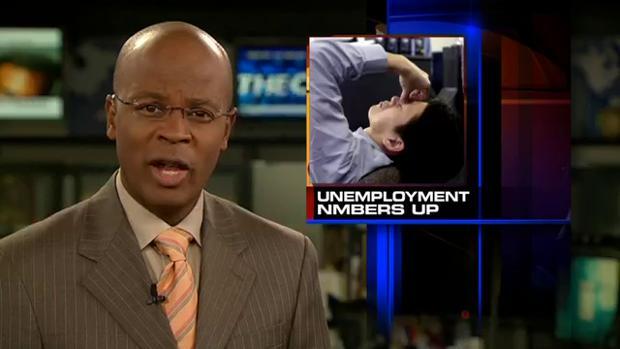
Today's latest unemploymentfigures show 1.5 million
laid off workers applied forgovernment benefits, last week,
though, the number is down.
It is the 10th straightweek of job losses,
since the peak in mid-March.
Unemployment benefits are helping laid off
and furloughed workers stay afloat.
Those jobless paymentsreached $94 billion in May,
six times the previous record set in 2010.
- Mark Hamrick is asenior economic analyst
at bankrate.com, and hejoins us now for more,
Mark, it's good to have you.
So what do you make ofthese 10 straight weeks
of declining jobless claim numbers?
- It's great to see decliningnumbers, Jenna and John,
but we're still extremely elevated.
If you take the special pandemic
unemployment assistance program,
that was part of the CARES Act,
and take those numbers andadd those to the new claims
that you talked about in the lead in,
we're talking about nearly30 million Americans
who are part of continuing claims.
That's quite astounding.
It's consistent with what we saw
in the May employment numbers,
where we had about 21million Americans jobless,
another 10 million working part-time,
who'd like to have full-time work.
So I think we're balancingoptimism and realism here,
not exactly certain where to go.
And every day that we get
some less than optimisticnews on the virus,
that gives pause
with respect to theeconomic recovery as well.
- Mark, so there's still a lotof fluctuation in the market.
So is it, are we able to say
whether the worst of theeconomic crisis is behind us?
- Based on what we know right now, John,
I think that that's a plausible scenario,
but as Federal Reserve ChairmanJerome Powell cautioned,
at his news conference, thisis gonna be a long slog.
The fed itself doesn'tsee the unemployment rate
going below 9% before the end of the year.
our own Bankrate Economic Survey,
it indicated that it couldremain as high as 10%
through May of next year.
So that's in line with what we saw
during the worst of the financial crisis,
and great recession.
So we're hoping for better,but we also need to,
I would say, maintain asomewhat sober outlook,
because we're balancing the reactions
to the medical or healthcare crisis,
as well as the economic crisis.
- Yesterday, the fedannounced that it'll keep
interest rates low forthe foreseeable future.
How do you think this willhelp stimulate the economy?
- Great question, Jenna.
As we reported, our MortgageRate Survey, at Bankrate,
we saw a record low inmortgage rates this week,
right below 3 1/2%.
And so this is helping to keep
the housing market fairly robust,
but you can't have a macroeconomy, or broader economy,
that's suffering, with a housing market
that would be flexing its muscle forever.
So we need well-qualifiedconsumers out there to borrow,
so low rates will do someof heavy lifting here,
but ultimately it's a strongjob market, what we need.
In the meantime, we dohave low interest rates
that will help on the borrowing side.
- Speaking specificallyabout the stock market,
it was pretty volatile today.
The Dow Jones Industrial Average
closed down more than 1800 points.
What do you think this meansfor the recovery overall?
- We're reminded John,that volatility works
to the downside and the upside,
and we had seen a more than 30% bounce
in the major averages fromthe lows earlier this year.
Indeed, the setbackthat we just experienced
took those, that majoraverages all the way back
to just before Memorial Day.
So I wouldn't connect, necessarily,
the performance of WallStreet with Main Street.
Sometimes they're quite disconnected.
But certainly it's something
that can weigh on consumer confidence.
If we were to see a prolong,
a further pullback in the stock market.
- All right, Mark Hamrickwith bankrate.com.
It's always good to have you on.
We appreciate yourinsights, thank you so much.
- Thank you.